If you are eyeing the Narwal Flow 2 and trying to decide between the standard manual tank version and the automatic fill-and-drain (plumbed) model, let me save you the agonizing debate: get the plumbed version.
When I was first researching the Flow 2, I hesitated. The initial setup and price jump felt a bit steep, and I even thought about just buying the basic tank model first and upgrading it with a plumbing kit later if I got tired of carrying heavy water buckets. Let me stop you right there: don’t make that mistake. The base stations are entirely different structural builds; you cannot simply retro-fit a plumbing kit onto the standard tank model down the line. It is a buy-once-and-live-with-it decision.
After living with the fully automated setup, I can confidently say it completely changes how you use a robot vacuum. Here is my honest breakdown of the daily reality, the hidden setup friction, and why I will never go back to manual water tanks.
Featured Snippet Quick Answer
Is the plumbed Narwal Flow 2 worth it? Yes. The automatic refill and drainage system provides a continuous water supply that allows for frequent, automated mop washing at 140°F without manual intervention. It completely eliminates dirty water tank odors and mid-cycle low-water aborts, making it essential for large homes and heavy pet-hair cleaning routines. However, it requires a permanent location near water lines and consumes proprietary detergent faster.
The “Infinite Water” Shifts How You Clean
When you don’t have to constantly babysit water levels, your cleaning habits completely evolve. With my old manual tank robots, I found myself rationing cleanings because I subconsciously dreaded emptying the stinky dirty water tank or realizing the robot aborted a run halfway through because it ran dry.
With the automated Narwal Flow 2 plumbing setup, I effectively have “infinite” clean water and automated waste removal. This yields three massive real-world benefits:
- Heavier Utilization: I run my Flow 2 to mop roughly 2,000 square feet daily—sometimes even twice a day if the floors get high traffic from pets and kids. I would never have the patience for that with manual tanks.
- Cleaner Floors via Over-Washing: Because water supply isn’t a bottleneck, I set the base station to wash the FlowWash rolling track mop pads far more frequently during a cycle. The floors stay noticeably cleaner because the bot isn’t just pushing around semi-dirty pads.
- Zero Odor: If you leave a dirty water tank sitting for a few days, it smells absolutely horrid when you finally crack it open. Eliminating that chore entirely is worth the entry price alone.
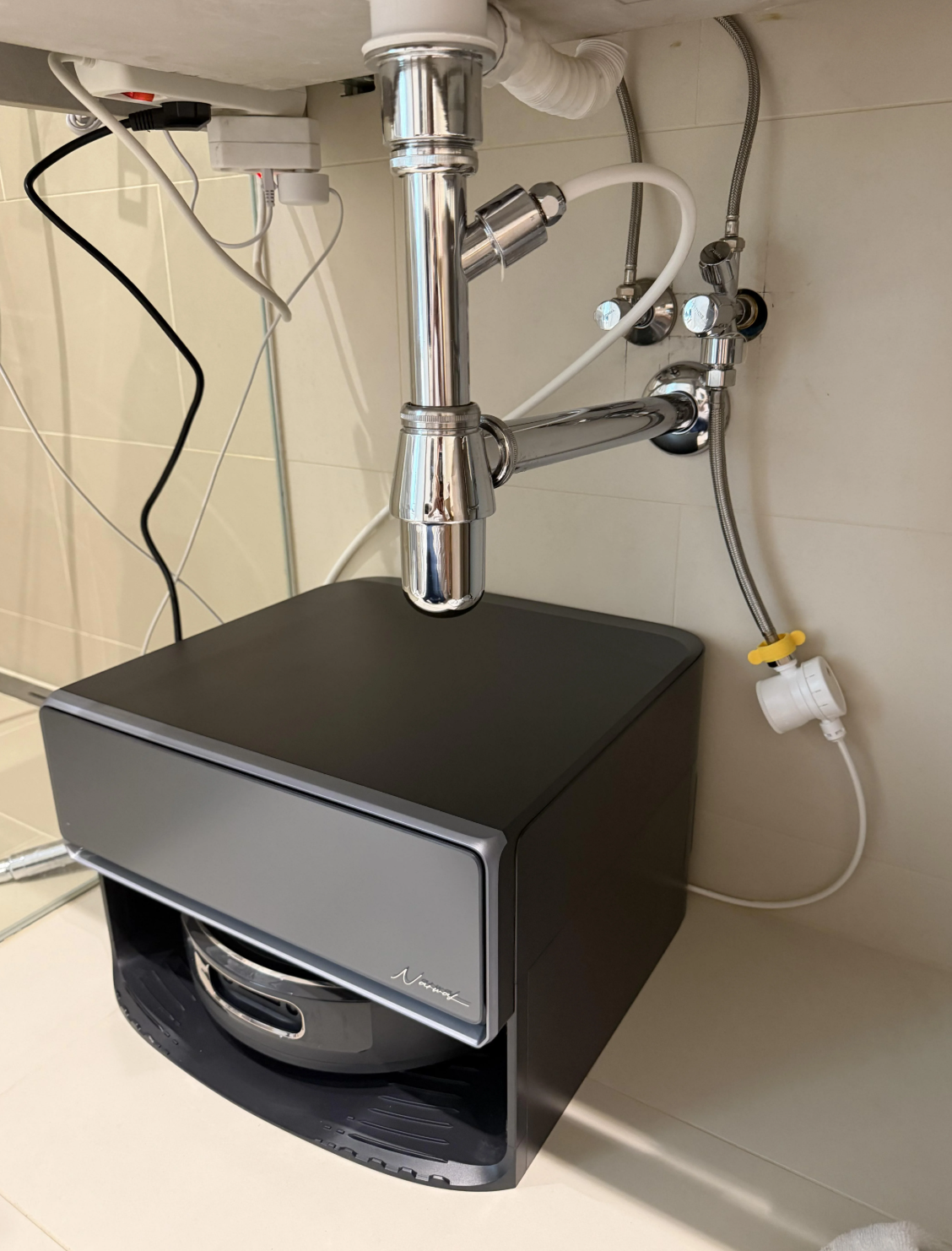 Image Source: In-Home Smart Tech Testing / Photographer: Modern Living Spaces Blog / Copyright 2026
The Hidden Caveats: Installation & Detergent Costs
It isn’t entirely flawless, and there are two major things you need to plan for before pulling the trigger on your smart home floor care upgrade.
1. The Hardware Store Trips are Real
Unless you luck out with a perfect hookup right next to a modern utility sink, expect to do some basic plumbing work—or budget to hire a professional. I ended up making two separate trips to the local hardware store just to sort out the specific adapter fittings needed to split my cold water line and route the drain securely where I wanted it. It’s a permanent fixture, so if you are a renter or move base stations around frequently, punching lines through walls isn’t going to be practical.
2. Fast Detergent Consumption
The only real structural catch to having a robot that washes its own mop pads continuously with automated water lines is that you will burn through the proprietary Narwal detergent cartridges a bit faster. Because the machine handles the dosing dynamically based on the floor’s soil level, more water cycling naturally translates to more frequent formula replacements.
Narwal Flow 2: Tank Version vs. Plumbed Auto-Dock
Strangely, Narwal made the more expensive, automated version look slightly more minimalist on the outside than the standard tank version. Here is how they stack up side-by-side in daily operation:
| Feature Set | Standard Tank Version | Plumbed / Auto-Refill Version |
|---|---|---|
| Daily Maintenance | High (Manual filling and dumping) | Zero (Fully autonomous water lines) |
| Base Station Form | Chunky footprint to hold heavy water buckets | Slim, ultra-compact, front-opening design |
| Visual Status Indicators | Sleek exterior ambient light status bar | Minimalist front plate with no external light bar |
| Dust Bag Capacity | Standard 2.5L capacity | Accommodates larger internal dust bags (up to 120 days) |
Personally, the lack of an ambient light bar on the compact plumbing dock doesn’t bother me. Because you never have to interact with the top of the machine to pull out heavy water buckets, it actually makes sense that the auto-dock is slimmer and opens exclusively from the front. It is designed to be tucked away out of sight under a bathroom cabinet or in a utility closet because it just works quietly on its own.
Tips I Wish I Knew Earlier
- Map First, Plumb Second: If you are unsure about the base station’s final location, run the initial 8-minute LiDAR mapping cycle using the robot’s battery power before permanently locking down your plumbing water connections.
- Check Your Water Pressure: The internal auto-fill valves prefer standard household water pressure. If you are tapping into a low-pressure line, the base station may throw a mild filling timeout error in the app.
- Stock Up on Detergent: Since the automated cycles run more frequently, grab a multi-pack of the specialized floor cleanser during major seasonal shopping events to keep your operational costs low.
The Verdict: Who Should Buy It?
If you can physically accommodate the plumbing lines in your layout and you can swing the extra cost, the automated dock is a night-and-day difference. It elevates the machine from a high-maintenance appliance you have to prep every morning into a genuinely autonomous home utility. It is an absolute game-changer for large open layouts, homes with multiple pets, and anyone determined to escape the stinky chore of dirty water maintenance.
However, if you just want a machine to occasionally light-mop a tiny studio apartment, or if you strictly prefer using pure distilled water while doing hands-on maintenance anyway, save the money and get the tanks. But for heavy daily use? Go plumbed. You won’t regret it.
Frequently Asked Questions
Can I add the plumbing kit to the standard Narwal Flow 2 later?
No. The base stations are structurally different. The standard version features deep molded cavities to cradle the physical water buckets, whereas the plumbed version utilizes a compact front-loading design with direct water line receiver inlets.
What happens if the power goes out while it’s draining?
The system uses mechanical fail-safes and localized electronic valves. If power is interrupted, the intake valves default to a closed state, preventing unexpected leaks or continuous water flow into your home.
Does it require hot or cold water connection lines?
It hooks directly into your household cold water line. The Narwal Flow 2 base station features its own high-efficiency internal heating element that flashes the water up to 140°F for mop cleaning and up to 212°F for full-cycle sterilization.


