When I first unboxed my Narwal Flow 2, I thought the clean and dirty water tanks looked massive. I genuinely figured I could easily get away with emptying and refilling them maybe once every couple of weeks. With my rugrats running around the house all day, I rely heavily on daily mopping to keep our hardwood floors strictly barefoot-friendly. I needed automated relief, not a secondary job.
What I didn’t expect was how insanely thirsty this robot actually is. After just a few weeks of real-world daily use, I realized my “hands-off” smart vacuum was quickly morphing into an annoying daily chore. If you are experiencing the exact same daily maintenance fatigue, here is the honest truth about why I finally abandoned the manual water tanks altogether and upgraded to the automatic water exchange system.
Featured Snippet Answer
Is the Narwal Flow 2 plumbed dock worth it? Yes, the Narwal Flow 2 plumbed dock (automatic water exchange system) is absolutely worth it for homeowners with large floor plans, children, or pets who run the mop daily. While the standard manual water tanks run dry quickly due to Narwal’s high-water continuous roller design, transitioning to a plumbed-in RDS water line hookup provides a truly automated, “set-it-and-forget-it” smart home experience with zero tank hauling required.
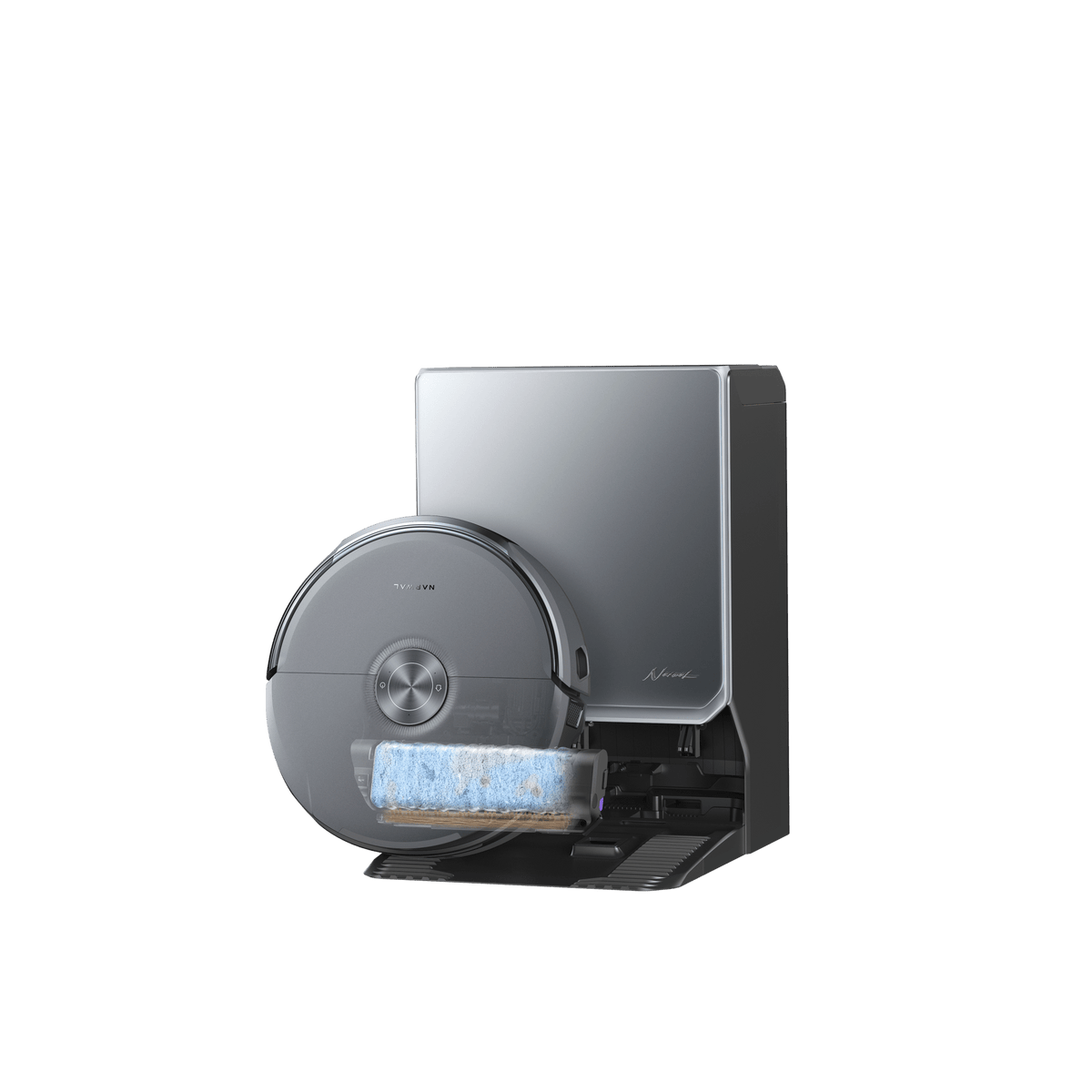
Image Source: Narwal Official Store | Photographer: Product Production | Copyright: Narwal Inc.
The Reality of High-Water Daily Mopping
I originally assumed something was wrong with my specific unit’s water consumption. However, after studying the mechanics, I quickly realized it is just the physical reality of the hardware. Because the Narwal Flow 2 utilizes an advanced, continuous roller mechanism rather than just dragging a damp, static microfiber pad across your home, it constantly flushes fresh, clean water across the roller to keep it fully saturated and clean during operation.
Here is what my actual real-world usage looks like every day:
- The Space: About 1,200 to 2,000 square feet of continuous hard floors.
- The Settings: Daily automated cleaning, often paired with a heavy-duty double-mopping pass across high-traffic kitchen and dining zones.
- The Result: The standard clean water tank is completely bone-dry in exactly one single night.
Because of this high water consumption, I found myself lugging those heavy, awkward tanks to the sink every single morning. And the absolute most frustrating part? When the clean water tank runs dry mid-cleaning, the automation automatically pauses the unit. If I happen to be out of the house and not near my phone to monitor the app—or if no one else is home to manually refill it right then—the robot just sits dead in its tracks. The automated schedule breaks down, and the floors don’t get finished.
Why a “Bigger Tank” Isn’t the Logistical Answer
For a while, I desperately wished that an aftermarket company or Narwal themselves would just release an oversized clean water tank. I didn’t even care if it made the base station look disproportionate, top-heavy, or downright ugly. I just wanted my completely hands-free personal time back.
But after dealing with the daily sink trips, I realized a taller tank would actually create a logistical nightmare for two main reasons:
- The Sink Clearance Issue: The current built-in water tanks are already pushing the absolute height limit of what comfortably fits under a standard bathroom or kitchen faucet. A larger tank simply wouldn’t fit under the tap.
- The Physical Weight: Water is incredibly heavy. Doubling the physical tank size would make them completely unwieldy to carry across the house without accidentally splashing dirty greywater onto your clean surfaces.
Making the Switch: The Plumbed-In RDS Model
I eventually decided to stop fighting the baseline hardware constraints. I ditched the standard manual tank setup entirely and upgraded to the auto-refill, plumbed-in RDS model (the direct water line hookup version). Now, there are zero clean water tanks to fill and zero dirty water compartments to manually dump. It completely changed how I interact with my home’s cleaning routine.

Image Source: Narwal Support | Photographer: Technical Illustrator | Copyright: Narwal Inc.
My Installation Setup (And One Major Pitfall to Avoid)
Figuring out exactly where to place a plumbed base station took a fair bit of layout planning, as you are naturally limited by your home’s existing plumbing configurations. I ended up installing my plumbed dock in the laundry room, directly underneath our utility sink. This made it incredibly straightforward to splice into the cold water supply line and drop the waste drainage tube right down into the open sink utility drain.
To make the installation completely invisible and autonomous, I cut a small, subtle gap underneath the bottom of our laundry room door. The robot can now deploy, clean the entire house, and safely return to self-clean and empty itself freely even when the door is completely shut to block out noise.
Critical Warning for Utility Room Placements: This direct plumbing setup only works seamlessly if your laundry room floor is perfectly level with your main living space. A lot of home designs incorporate a single structural step down into the utility, garage, or mudroom area. If you have any kind of physical drop, sunken room, or an unusually high transition threshold where your water lines sit, the robot vacuum obviously won’t be able to climb back out to clean the rest of your house.
Tips I Wish I Knew Earlier
- Verify Water Pressure: Check that your household water lines fall within standard operating ranges before hooking up the automatic water exchange system to avoid line errors.
- Use Inline Shut-Off Valves: Install a simple, dedicated brass quarter-turn shut-off valve directly at the splice point. It makes changing the vacuum’s water filters down the road incredibly clean and easy.
- Tuck Tubes Securely: Use heavy-duty adhesive clips to route your clean and waste lines tight along the baseboards so the robot never accidentally runs over its own plumbing.
The Final Verdict: Who Should Buy the Plumbed Dock?
If you only mop a couple of times a week in a smaller apartment or a compact home, the standard manual water tanks on the Narwal Flow 2 are perfectly fine and manageable. You won’t mind the occasional maintenance trip to the sink.
But if you have a larger floor plan, heavy traffic from kids or pets, or just prefer to wake up to pristine, freshly mopped floors every single morning without lifting a finger, do yourself a huge favor: skip the tanks and invest directly in the auto-refill plumbed dock. It took my cleaning setup from a frustrating daily physical chore back to the true “set-it-and-forget-it” smart home luxury I originally wanted.
Frequently Asked Questions
Does the Narwal Flow 2 plumbed dock require a professional plumber to install?
No, most homeowners can complete the installation as a straightforward DIY project. The kit comes with standard push-fit plumbing adapters and clear splitters that splice easily into common cold water supply lines, similar to installing an under-sink water filter or refrigerator ice maker line.
Can the plumbing lines run over long distances?
The standard plumbing tubes included with the automatic water exchange system are designed for relatively close proximity to a water supply and drain (typically within 10 to 15 feet). Running lines across longer spans or up walls may require secondary extension kits or professional routing to ensure proper drainage gravity.
What happens if the direct water line leaks?
The Narwal plumbed dock features built-in electronic leak detection sensors along its base. If internal moisture variations or line back-pressures are identified, the system automatically shuts off its intake valves to prevent potential overflow or home water damage.
